
China Banking and Insurance Regulatory Commission and its dispatched offices received and forwarded 28,554 complaints about insurance consumption in the second quarter.

  CCTV News:According to the website of China Banking and Insurance Regulatory Commission, China, recently, the Consumer Protection Bureau of China Banking and Insurance Regulatory Commission, China issued the Notice on the Complaints about Insurance Consumption in the Second Quarter of 2022 (No.11 Notice of 2022, hereinafter referred to as the Notice), which informed the complaints about insurance consumption received and transmitted by China Banking and Insurance Regulatory Commission and its dispatched offices.

  According to the Circular, China Banking and Insurance Regulatory Commission and its agencies received and forwarded 28,554 complaints about insurance consumption in the second quarter. Among them, 10051 property insurance companies were involved, accounting for 35.20% of the total complaints; There were 18,503 life insurance companies, accounting for 64.80% of the total complaints. The number of complaints from PICC P&C ranks first among property insurance companies. The number of complaints in Ping An Life Insurance Company of China ranks first among life insurance companies.

  According to the Circular, in the second quarter of 2022, the median number of complaints about 100 million yuan premium of property insurance companies was 3.58 pieces/100 million yuan, and the median number of complaints about 10,000 policies was 0.36 pieces/10,000 pieces; The median number of complaints about 100 million yuan premium of life insurance companies is 1.78/100 million yuan, the median number of complaints about 10,000 policies is 0.25/10,000, and the median number of complaints about 10,000 people is 0.08/10,000. Zhonghui Mutual Insurance ranks first among property insurance companies in terms of the complaints about the 100 million yuan premium. The number of complaints about 10,000 policies of Jiulong Property Insurance and Zhonghui Mutual Insurance ranks in the top two among property insurance companies. Fosun United Health ranks first among life insurance companies in terms of complaints about 100 million yuan premium, complaints about 10,000 policies and complaints about 10,000 people.

  According to the Circular, in the second quarter of 2022, there were 7,808 complaints about claims disputes involving property insurance companies, accounting for 77.68% of the total complaints of property insurance companies; There were 822 complaints about sales disputes, accounting for 8.18%. Zhonghui Mutual Insurance, PICC P&C Insurance and Zhongan Online P&C Insurance rank among the top three property insurance companies. PICC P&C Insurance and Ping An P&C Insurance rank in the top two among property insurance companies.

  In the second quarter of 2022, property insurance companies filed 4324 complaints about motor vehicle insurance disputes, accounting for 43.02% of the total complaints of property insurance companies; There were 2,434 complaints about other insurance disputes involving property insurance such as COVID-19 epidemic isolation insurance, accounting for 24.22%. PICC P&C ranked first among property insurance companies in the number of complaints about motor vehicle insurance disputes. Zhonghui Mutual Insurance and Zhongan Online Property Insurance are among the top two property insurance companies in terms of complaints about property insurance related to COVID-19 epidemic isolation and other insurance disputes.

  According to the Circular, in the second quarter of 2022, there were 9,613 complaints about sales disputes from life insurance companies, accounting for 51.95% of the total complaints from life insurance companies. There were 5011 complaints about surrender disputes, accounting for 27.08%. The number of complaints about sales disputes and surrender disputes in Ping An Life Insurance Company of China ranks first among life insurance companies.

  In the second quarter of 2022, there were 8101 complaints about ordinary life insurance disputes from life insurance companies, accounting for 43.78% of the total complaints from life insurance companies; There were 4182 complaints about sickness insurance disputes, accounting for 22.60%. The number of complaints about ordinary life insurance disputes in Ping An Life Insurance Company of China ranks first among life insurance companies. Ping An Life Insurance Company of China and Xinhua Life Insurance ranked the top two in terms of complaints about sickness insurance disputes among life insurance companies.

The Central Radio and Television General Station launched two public welfare projects: advertising precision poverty alleviation and national major project communication.

  ⑤ Five provinces and regions in Inner Mongolia, Gansu, Hubei, Tibet and Jiangxi were added to "Advertising Precision Poverty Alleviation"

  Eight projects, including domestic aircraft carriers and manned spaceflight, were included in the "Public Welfare Communication of National Major Projects"

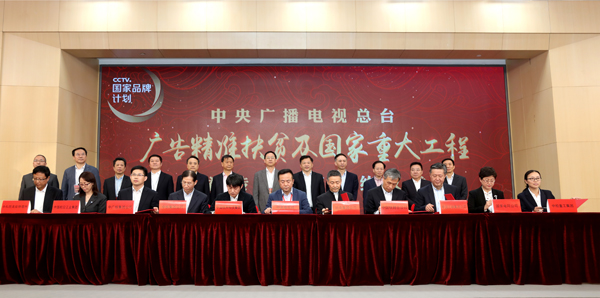
  On October 26th, the "Signing Ceremony of Advertising Precision Poverty Alleviation and Public Welfare Communication Project of National Major Projects" was held in Beijing. Front-line poverty alleviation cadres and farmers’ representatives from the area covered by "CCTV National Brand Plan-Advertising Precision Poverty Alleviation" and relevant persons in charge of the selected project of "CCTV National Brand Plan-Public Welfare Communication of National Major Projects" attended.

  Since the 18th National Congress of the Communist Party of China, the General Secretary of the Supreme Leader has repeatedly made important instructions on precision poverty alleviation and scientific and technological innovation. As the ideological center of the Party and the national radio and television station, the Central Radio and Television General Station adheres to the social responsibility and responsibility of the national media. "Advertising Precision Poverty Alleviation" and "Public Welfare Communication of National Major Projects" are the concrete measures taken by the General Station to implement the important instructions of the Supreme Leader General Secretary on precision poverty alleviation and scientific and technological innovation, the concrete practice that the Central Radio and Television General Station insists on putting social benefits first, and the successful exploration of serving the country with public welfare communication.

  Shen Haixiong, Vice Minister of Publicity Department of the Communist Party of China and Director of the Central Radio and Television General Station, said that the General Station will thoroughly implement the spirit of the congratulatory letter from the Supreme Leader General Secretary to the 60th anniversary of the founding of CCTV and the birth of the new China TV industry, and implement the guiding spirit of "advertising should also be oriented" with integrity and innovation, and further improve the projects of "advertising precision poverty alleviation" and "public welfare communication of major national projects". The "Advertising Precision Poverty Alleviation" project will focus on precision, ensure the accuracy of poverty alleviation targets, advertising content and audiences, and take out more advertising poverty alleviation resources, and make unremitting efforts for a long time to help the rural poor achieve poverty alleviation under the current standards in China in 2020 and win the tough battle of poverty alleviation as scheduled. The "Public Welfare Communication of National Major Projects" project will highlight the public welfare, focus on the front-line staff who have silently contributed to major national projects, dig deep into the story and shock of major national scientific and technological achievements and major national strategic projects, show their images and gather people’s hearts.

one

Signing of "Advertising Precision Poverty Alleviation" Project

  At the signing ceremony, Zhang Ning, deputy editor-in-chief of CCTV, announced the new signing lists of "CCTV National Brand Plan-Advertising Precision Poverty Alleviation" and "CCTV National Brand Plan-Public Welfare Communication of National Major Projects": With reference to the list of counties in contiguous poverty-stricken areas published by the State Council Poverty Alleviation Office, Inner Mongolia Autonomous Region, Gansu Province, Hubei Province, Xizang Autonomous Region Province and Jiangxi Province were determined as new cooperative provinces for the "CCTV National Brand Plan-Advertising Precision Poverty Alleviation" project; Under the joint planning with more than 20 units including the National Development and Reform Commission, the General Armament Department and the Aerospace Science and Technology Group, China spallation neutron source project, high-speed rail Fuxing, Hualong No.1, UHV transmission project, domestic cargo large aircraft project (Yun -20), domestic aircraft carrier project, manned space flight project and China hydropower technology upgrading project were determined as "CCTV national brand plan-national major project public welfare communication". Ren Xuean, director of the advertising management center of CCTV, signed an on-site contract with the newly added provinces, autonomous regions and project leaders.

one

Signing of "Public Welfare Communication of National Major Projects"

  Since the implementation of "CCTV National Brand Plan-Advertising Precision Poverty Alleviation" project, it has benefited 457,700 poor farmers and more than 1.7 million people in 8 provinces (autonomous regions and municipalities), and more than 50 kinds of agricultural and sideline products will be introduced free of charge in 2018. After the addition of five contracted provinces, the number of cooperative provinces will reach 13. In 2019, it is estimated that more than 70 kinds of agricultural and sideline products will be broadcast free of charge. The "Public Welfare Communication of National Major Projects" project focuses on publicizing and popularizing the major achievements and latest achievements in key areas in China, and shaping the brand image of communication for big countries. With the key breakthroughs of China’s science and technology in various major fields, 11 public service advertisements such as Beidou navigation, artificial intelligence, space engine, Beijing time, national gene bank, manned space flight, deep-sea exploration, large transport aircraft, quantum communication and high-speed rail Fuxing have been broadcast one after another. By October 24, 2018, it had been broadcast 32,309 times, with a total of 28,133 minutes and 469 hours, which encouraged the researchers who fought in the front line and effectively demonstrated China’s independent innovation ability and ambition to strive for first-class.

  Yan Xiaoming, deputy director of the Central Radio and Television General Station; Bai Yugang, member of the Standing Committee of the Inner Mongolia Autonomous Region Party Committee and Minister of Propaganda Department; Chen Qing, member of the Standing Committee of Gansu Provincial Committee and Minister of Propaganda Department; Li Lecheng, member of the Standing Committee of Hubei Provincial Committee; Jiare Lausanne Tenzin, vice chairman of Xizang Autonomous Region Municipal Government; Shi Xiaolin, member of the Standing Committee of Jiangxi Provincial Committee and Minister of Propaganda Department; Lin Shanqing, deputy director of the National Energy Administration; Lin Chuxue, deputy general manager of China Three Gorges Corporation; and Guo Zhuxue, deputy general manager of China Railway Corporation. Li Qingtang, deputy general manager of China National Nuclear Corporation, Tan Jiansheng, deputy general manager of China General Nuclear Power Corporation, Li Bin, vice president of the Sixth Academy of China Aerospace Science and Technology Corporation, Xia Qingfeng, director of the Propaganda Bureau of the State-owned Assets Supervision and Administration Commission of the State Council, Wei Dichun, deputy director of CCTV, and Hu Bangsheng, deputy director of China Radio International attended the event.

  On June 29th this year, the Central Radio and Television General Station announced three new measures to help the poor: First, continue to expand the coverage of poverty alleviation, and add more than four provinces (autonomous regions and municipalities) from July this year to the end of June next year; Second, in addition to public service advertisements, in 2018, the relevant channels, frequencies and new media of the main station will launch "precise poverty alleviation" topics and columns; Third, based on the investment of 1.0414 billion advertising resources in the past two years, from July 2018 to the end of June 2019, the General Office will allocate more than 1 billion advertising resources to help the poor in the new poverty alleviation year. In just three months, eight channels of CCTV have promoted 15 agricultural special products in eight provinces (autonomous regions and municipalities) such as Guizhou at a high frequency of 20 times a day, with a total broadcast time of 9522 times, with a total broadcast time of 3163 minutes and a screen resource value of 350 million yuan; China national radio and China Radio International also promoted them simultaneously, and the value of advertising resources invested reached more than 10 million yuan each.

  Doubled investment in advertising resources has accelerated product sales, raised transaction prices and directly driven farmers to increase their income and become rich. Li Chunkui, secretary of the Wushan County Party Committee, who came to attend the signing ceremony, said in an interview that Wushan Cuili became famous all over the country after entering CCTV, and became a very sought-after golden fruit. People all over the country rushed to buy it, and people in Wushan scrambled to plant it. Compared with last year, Wushan crisp plum brand is even louder this year, and its evaluation value has risen from 946 million yuan last year to 1.334 billion yuan this year. The market is wider. In the past, the offline sales market of Wushan Cuili was mainly in Chongqing. Now Wushan Cuili has sold well in many large and medium-sized cities and regions in China, such as Beishangguang, Chengdu, Wuhan and Hong Kong. Deng Yuncheng, a farmer who planted yellow peaches in Yanling County, Zhuzhou City, Hunan Province, said that after the commercial was broadcast, the yellow peaches in Yanling became much more famous and sold better. For the peaches of Deng Yuncheng’s own family, it took nearly a month to sell 400,000 Jin last year, and 600,000 Jin was sold out in just 20 days this year. In 2017, the annual output of yellow peaches in Deng Yuncheng village exceeded 3 million Jin, with an output value of nearly 21 million yuan; This year, the annual output of yellow peaches in the village is 4 million Jin, but the output value exceeds 40 million yuan.

  After the broadcast of the series of public service advertisements "CCTV national brand plan-public service communication of major national projects", it triggered a warm response from all walks of life. Li Bin, vice president of the Sixth Academy of China Aerospace Science and Technology Corporation, said that the space engine is the cornerstone of space development, and the successful development of a new generation of liquid oxygen kerosene engine has more than doubled China’s ability to enter space, making it possible for large space loads, space station projects, lunar exploration projects and other deep space exploration. For decades, from the depths of the mountains to the northwest, everyone has been painstakingly studying and deeply cultivating, and devoted himself to developing advanced space power for China. This time, I was surprised and proud to be able to appear on CCTV and speak for the national brand. I hope more people care about supporting scientific research and space.

  The successful signing of the new phase of "Advertising Precision Poverty Alleviation" and "National Major Project Public Welfare Communication" has opened a new chapter in the public welfare project of "CCTV National Brand Plan". The Central Radio and Television General Station will work side by side with the propaganda departments of the party committees of the cooperative provinces, autonomous regions and municipalities and various scientific research units to make new and greater contributions to precision poverty alleviation and scientific and technological innovation.

Strictly check! These websites and apps are involved in pornography, and some people spread child pornography videos.

  CCTV News:From January to March this year, a total of 1,079 cases of "cracking down on pornography and illegal publications" were put on file nationwide, including more than 130 criminal cases and 541 internet-related cases.

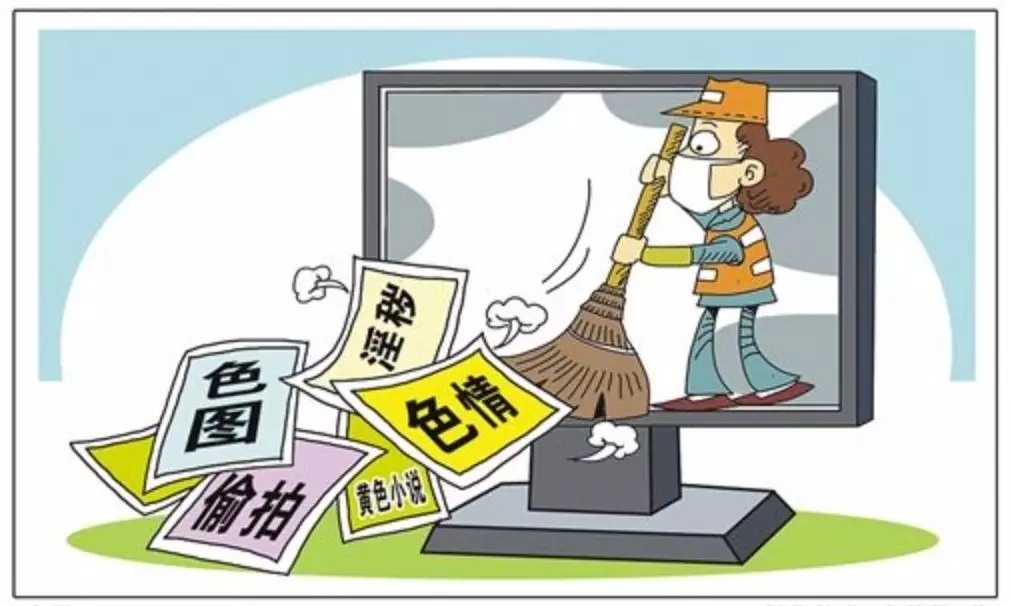
  According to the responsible comrades of the National Office for Combating Pornography and Illegal Publications, obscene and pornographic information is the focus of the current crackdown. In the first quarter, the department for combating pornography and illegal publications strictly cracked down on the dissemination of obscene and pornographic information through live webcasts, short videos, online literature, social groups, "two micro-ends" and other platforms, and resolutely investigated and dealt with a large number of cases of online pornography, pornography and pornography.

  Six typical cases were reported by the national office of "eliminating pornography and illegal publications"

  On April 18th, the national office of "eliminating pornography and illegal publications" selected six typical cases in the "net net" and "protecting seedlings" operation to make a report, expose relevant cases, deter criminals and alert industry operators and practitioners.

  Typical case 1

  Li Moumou, Chen Moumou and others in Lishui, Zhejiang Province made a case of spreading obscene articles for profit.

  In April 2019, the Lishui City Task Force found out all the cases and successively arrested 8 suspects, including Li Moumou and Chen Moumou, the principals who directed and produced obscene videos; More than 100,000 obscene videos were seized, and the amount involved was more than 7 million yuan. The case was filed and investigated by the Economic Development Zone Branch of Lishui Public Security Bureau in November 2018 according to the report of the masses.

  After investigation, from 2016 to 2017, Li Moumou and Chen Moumou filmed obscene videos for sale in the name of "Kuramoto C, underwear brother, 91 principal". Since October 2017, Li Moumou, Chen Moumou, Chen Mou, Lin Moumou and others have rented overseas servers and opened 91B1 obscene websites to make profits by selling members and recharging VIP. Zhao Moumou, Zhu Moumou and others filmed obscene videos for encryption, uploaded them to the network disk, and then sold them through the 91B1 website. In this case, more than 100,000 obscene videos were distributed, and more than 100,000 people were purchased, which were distributed in various places and overseas areas. At the end of 2018, the task force successively arrested four principals, including Li Moumou and Chen Moumou, in Guangdong and Hebei. Recently, the task force captured four people, including Zhao Moumou and Zhu Moumou, in Shandong, Hunan and Guangxi.

  Typical case 2

  Shenzhen, Guangdong "fast"Fairy "short video APP spreads obscene articles for profit.

  In March 2019, Shenzhen Longgang Public Security Bureau detected the case, eradicated a large-scale pornographic short video platform, seized 110,000 obscene short videos, and criminally detained 26 people.

  After investigation, the "Fast Fairy" APP claimed to be "adult version of Tik Tok". Since it was launched in October 2018, the page and browsing mode have all imitated "Tik Tok", but only obscene and pornographic short videos have been disseminated. Operators have also introduced incentives to reward users who upload obscene videos to the platform. As of the time of the incident, there are nearly 3 million registered users, and more than 1,000 users have uploaded obscene videos. Operating gangs have made a profit of over 10 million yuan by collecting advertising fees from gambling sites, participating in dividends, building their own gambling sites to manipulate gambling and harvesting gambling funds. On March 23rd, the police in Longgang, Shenzhen, closed the net in 15 cities across the country and arrested 26 suspects, including technology development, software operation and some active users who spread obscene videos. At present, the APP has been seized according to law, and the case is being further explored.

  Typical case 3

  Guangxi Guigang "June 29" spreading obscene articles for profit.

  In February 2019, the case was transferred to the procuratorate for review and prosecution. In June 2018, the public security organs of Guigang City inspected and found that a netizen in the jurisdiction was suspected of spreading obscene video clues and filed a case for investigation.

  After investigation, the above-mentioned netizens are the general agent and customer service of the "Pymai" obscene video website. The management team of the website has a clear division of labor and is well organized. The gang has more than 10 main members and more than 100 offline agents, involving 20 provinces in China and Malaysia, Singapore and other countries. Through the combination of website and WeChat group, the gang has developed more than 50,000 members, involving more than 13 million yuan. At the end of 2018, the task force launched a unified arrest operation, arresting 16 suspects one after another, and 14 people including Jia Mou were arrested according to law, detaining more than 50,000 pornographic videos stored in the server, and destroying 3 studios used to disseminate obscene pornographic information.

  Typical case 4

  Shanghai Changning "Cherry Live" APP Spreading Obscene Articles

  In January 2019, the network inspection of Changning Branch of Shanghai Public Security Bureau found that there were some pornographic APPs in Apple’s mobile APP store, among which the "Cherry Live" app was the most popular.

  After investigation, there are hundreds of female anchors in the APP engaged in obscene performances and spreading obscene videos, with tens of thousands of viewers and millions of funds involved. The task force of Changning Public Security Bureau went to Chongqing, Hunan, Guangdong and other places to arrest after a lot of work such as preliminary reconnaissance and fixed evidence. At present, 43 people involved in the case have been successfully arrested, all of whom have been criminally detained, and the case is under further investigation.

  Typical case five

  Ye Ji, Lu ‘an, Anhui Province "8 19" case of spreading obscene videos involving minors.

  In March 2019, the case was prosecuted by the procuratorate. In August 2018, the public security organs of Lu’ an City found in their work that the website named "Zhengtai Community" disseminated obscene videos and pictures.

  After investigation, the website was founded by Qi Moumou, the server is abroad, and there are more than 3,000 registered members. There are more than 2,000 obscene videos and more than 8,000 pictures on the website, some of which involve minors. The public security organs arrested three suspects, including Qi Moumou.

  Typical case 6

  Case of Spreading Child Pornography Video for Profit in "Mengmeizi" Forum in Liaocheng, Shandong Province

  In August 2018, according to the clue that the national office of "eliminating pornography and illegal publications" was transferred, the public security organs in Liaocheng and yanggu county quickly launched investigations, cracked the case and arrested the main suspect Liu.

  After investigation, since July 2017, Liu has rented an overseas server through a network technology company in Lianyungang, Jiangsu Province, and established a "cute girl" forum to sell and disseminate child pornography videos. A total of more than 130,000 members have been developed, including more than 400 paid members, making a profit of more than 70,000 yuan. At present, the case has been handed over to the procuratorate for review and prosecution.

Play a good "first move" and take the initiative to organize a high-frequency group of CCPIT to "go out to sea" to seize foreign trade orders

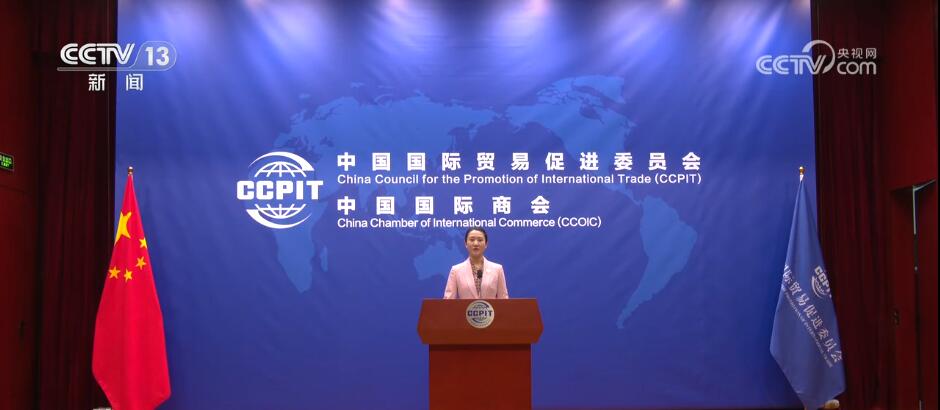
CCTV News:At the press conference of the Council for the Promotion of International Trade on February 28th, the spokesman said that this year, we will give full play to the role of special classes for serving foreign-funded enterprises and actively promote the stabilization of foreign investment.

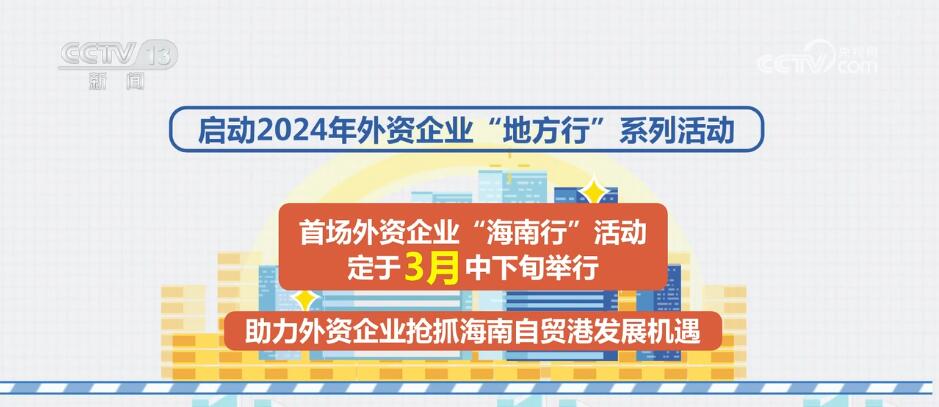
First, a series of activities of "local travel" for foreign-funded enterprises in 2024 will be launched. The first activity of "Hainan travel" for foreign-funded enterprises is scheduled to be held in the middle and late March to help foreign-funded enterprises seize the development opportunities of Hainan Free Trade Port.

Second, continuously collect the demands of foreign-funded enterprises and promote solutions. Foreign-funded enterprises can reflect their demands through various channels, such as the China Council for the Promotion of International Trade’s special service class for foreign-funded enterprises, the direct reporting platform for "investing in China" and the forum for foreign-funded enterprises.

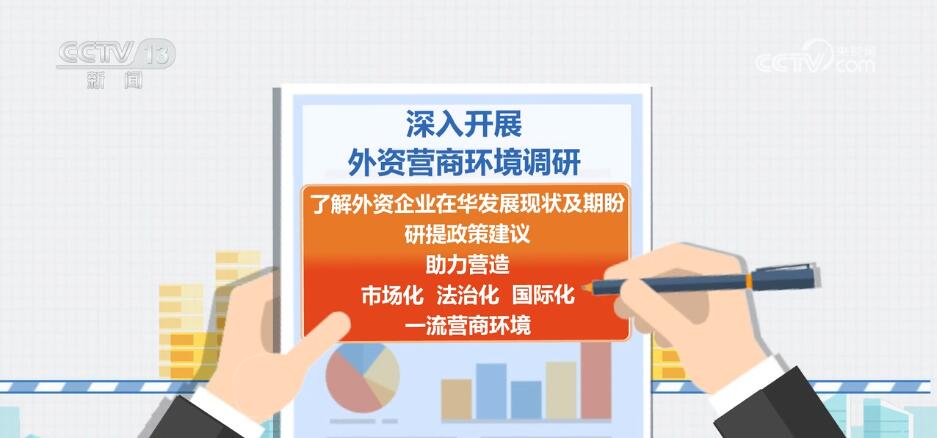
The third is to conduct in-depth research on the business environment of foreign capital, understand the development status and expectations of foreign-funded enterprises in China, and put forward policy suggestions to help create a first-class business environment with marketization, rule of law and internationalization.

"Thousands of delegations going to sea" bridges the gap for mutually beneficial cooperation between Chinese and foreign enterprises.

A spokesperson for the CCPIT also introduced that in 2024, CCPIT will vigorously carry out the "Thousand Missions to the Sea" campaign, and organize more than 1,000 batches of enterprise delegations to participate in exhibitions, study tours and negotiations overseas.

John young, spokesperson for the China Council for the Promotion of International Trade, said that the "Thousand Missions to the Sea" action is a concrete measure taken by the China Council for the Promotion of International Trade to help enterprises expand overseas markets and help Chinese and foreign enterprises to cooperate pragmatically. Since the beginning of the year, many batches of China entrepreneurs have been organized to visit the sea. Recently, CCPIT is actively preparing for visiting delegations to Europe, Central Asia, Oceania and other enterprises to bridge the gap for mutually beneficial cooperation between Chinese and foreign enterprises.

John young also introduced that from February 27 to 29, the president of the American Chamber of Commerce, the largest business organization in the United States, led a delegation to visit China to learn about the latest situation of China’s economic development and business environment, and to promote business cooperation between China and the United States. The president of the American Chamber of Commerce said that China is a highly valued market for American enterprises, and the American Chamber of Commerce is willing to continue to play its role, support American enterprises to set up businesses in China, continue to deepen pragmatic exchanges between the industrial and commercial circles of the two countries, and promote the healthy and stable development of US-China relations.

My understanding of new retail

A few days ago, I visited Jingdong House and sent a circle of friends:

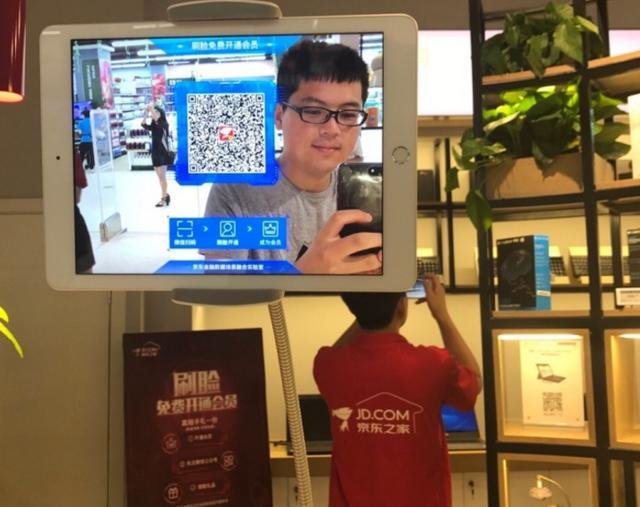
Visiting the newly-opened Jingdong House (Tongzhou Store) is the landing of JD.COM’s concept of "scene fusion" in the new retail period. I stepped on the spot in advance before the activity started, focusing on the face recognition service, which was terrible and accurately outlined my notes: night owl, technology expert, passionate Aries, addicted to online shopping and so on. And listen to the staff, this service will provide members with more differentiated and customized services in the future.

Soon, my point of view was hit by friends in the circle of friends. Some people said that this was not new retail, but "unbounded retail". Others said that this was O2O retail, and even more, there was no innovation in selling online things offline, which could not be viewed with the concept of new retail.

I have created many new concepts myself, but I never like to get entangled in the concept itself, because all concepts serve consumers. But today, new retail is mentioned by almost every industry. I think it is necessary to talk to you about "new retail as I understand it" with the simplest and most straightforward topic today.

It happened that Tencent News invited me to participate in a discussion on "How to understand the new retail and what new changes it has brought to our lives" online, so this article came into being.

Before expounding my understanding of new retail, I will list some opinions about the more influential concept of "new retail".

The first thing that must be mentioned is Jack Ma of Alibaba. At last year’s Yunqi Conference, Jack Ma delivered a speech saying that the current "e-commerce" will become a traditional concept, and the future will be a "new retail" mode combining offline, online and logistics. Just like, the essence of logistics is not to be fast, but to reduce inventory. Only the real combination of offline, online and logistics can bring more benefits to enterprises. In the future, with the breakthrough of "new retail", through the deep cooperation between Tmall and traditional retail enterprises such as Suning, Intime and Bailian, Alibaba has broken the line between online and offline, and brought the retail industry in China to the door of comprehensive innovation in business form.

Then there is Liu Qiangdong, JD.COM. Liu Qiangdong recently put forward the concept of "the fourth retail", which triggered a wide discussion in the industry. Liu Qiangdong believed that there were three recognized revolutions in the retail industry: department stores, chain stores and supermarkets. The fourth retail revolution is a revolution based on Internet e-commerce and surpassing the Internet, which will bring human beings into intelligent commercial times. In the fourth retail era, the retail infrastructure will become extremely plastic, intelligent and synergistic, which will promote the arrival of the "unbounded retail" era and upgrade the cost, efficiency and experience.

The other is Suning’s "smart retail". Recently, Suning clearly expressed its disagreement with Liu Qiangdong’s fourth-party retail concept, and said that Suning has always advocated "smart retail", thinking that future retail is smart retail, that is, using Internet and Internet of Things technologies to perceive consumption habits, predict consumption trends, guide manufacturing, and provide consumers with diversified and personalized products and services.

In addition, Xiaomi, Huawei, Xinhualian and other enterprises have made their own explanations on new retail in the past two years, and they will not be described too much here.

So, what exactly is new retail? Can you understand this concept in the simplest way?

First of all, let’s look at what is retail. The so-called retail means "buying and selling things from the east to the west, and buying and selling things from the west to the east". In Mulan’s article, "buying horses in the east market, saddles in the west market, bridles in the south market and whips in the north market" is a typical retail model.

In my opinion, the so-called new retail, as its name implies, is an updated retail model compared with the old retail, which is a constantly changing concept. Compared with the ancient barter transaction, the department store that was popular decades ago is a new retail; Compared with department stores, an urban complex like Joy City is a new retail; Compared with Joy City, e-commerce companies such as JD.COM and Tmall are new retailers.

Therefore, our understanding and definition of new retail are different in different periods. I think the concepts of fourth retail and smart retail put forward by Ali, JD.COM and Suning are more advanced than the current e-commerce, and we can regard them as new retail.

Moreover, if we carefully look at the explanations of these enterprises, although they have been verbally angry and dissatisfied with each other, they are actually the same in essence, and they all have such characteristics: online and offline integration, wisdom recommendation, membership system construction, improving logistics efficiency, breaking boundaries, AI application and so on.

These enterprises are the best in China, and the ideas and models they advocate are the future development direction of China retail and even global retail to some extent, and there is no difference in essence. Of course, if you are too entangled in the concept, it is really not desirable. Again, any new concept that consumers can’t understand and apply is hooliganism.

So, since the concept of new retail is evolving in a dynamic way, what is new retail at this stage (2017)? My understanding mainly includes several aspects (of course, my understanding now will be out of date in a few years, and an updated way of presentation will come out):

① Convenient payment: In our current era, convenient payment is our consumers’ deepest perception of the new retail concept, which can directly serve our consumers more than big data recommendation, C2B, scene revolution and so on. Convenient payment means cashless payment. On the one hand, enterprises have third-party payment platforms such as WeChat payment and Alipay. Through their efforts, residents in first-and second-tier cities in China can basically bring a mobile phone to meet all their consumption.

In addition, there are smart payment terminals represented by Wang POS. The emergence of this type of products has gradually subverted the traditional POS machines. As for the more advanced payment methods such as NFC, fingerprint, facial recognition, voiceprint, gesture, etc., they have also been applied to our lives one after another. This has never happened in the business changes of the past thousands of years. This time, China is at the forefront of the world.

② Intelligent matching: This is an era of information explosion, commodity explosion and service explosion, and everything seems extremely surplus. Therefore, accurate intelligent matching has become the direction of our mainstream enterprises in every industry. From today on, we have to find the target users, and of course our users need to find the target products.

The big data push mechanism like today’s headlines is actually a typical new information retail revolution. At the same time, mainstream e-commerce companies, including Ali and JD.COM, have almost launched functions like "Guess what you like", and almost all of these functions recommend products and services that they think users are interested in through the analysis and calculation of big data. However, to be fair, no mainstream enterprise in China can be said to be qualified in intelligent matching, and the current accurate push ability is still at the level of "pushing the user’s urn for one month in a row".

③ User participation: In the past, whether in the era of supermarket or department store, new retail generally referred to the change of circulation, but now the concept of new retail has expanded to the whole process of production, circulation and sales of goods or services due to the technological change of the Internet.

So today, our consumers are no longer simple audiences, but participants. Consumers want to participate in the operation and transformation of enterprises. Many enterprises’ products are no longer developed by their engineers, but developed with users. Such statements as Xiaomi’s "making friends with users, absorbing user feedback through forums to develop products" and LeTV’s "R&D by ten million people, dissatisfaction by ten million people, improvement by ten million people" are actually typical representatives of user participation.

④ Cross-border integration: No matter how to change the three points mentioned above, they are actually the level of "value transfer" rather than the essential "value addition". The landing of the concept of cross-border integration has given our users a sense of benefits of "charging for mobile phones", and they can get other value-added services while purchasing products.

Actually, before I visited Jingdong House (Tongzhou Store), I also went to Suning Square, JD.COM’s old rival Suning. The online whereabouts of the two are really amazing, and even the newly established children’s area and experience area in the store are so similar. In fact, the fitness experience area in Suning Life Plaza and the services such as Suning IT help customers are the brand-new values brought to users by typical cross-border integration. Although JD.COM has just started, there are similar initiatives. These have started to meet our consumers very obviously, and interested parties can know it by visiting the shops directly.

Of course, the performance of new retail is far more than the above. As far as the work that our company has carried out is concerned, it also includes faster logistics and transportation, safer network environment, more dimensional products and services, etc. With the participation of consumers, a large number of ideas will become a reality. In any case, with the deepening of the new retail concept, our consumers will usher in an increasingly transparent business society.

Jiangnan in the New Year Pictures of Reunion

There is an old saying in Chinese,

It’s called "no painting, no year"

In ancient times without cameras,

The beauty of Gusu City,

Are condensed in the Taohuawu woodblock New Year pictures.

Suzhou Taohuawu Woodblock New Year Pictures,

It is also called "Southern Peach and Northern Willow" with Tianjin Yangliuqing Woodblock New Year Pictures.

It originated from the engraving printing process in Song Dynasty.

In 2006, it was selected as the first batch of national intangible cultural heritage.

Jiangnan’s delicate euphemism,

Nourishes the Taohuawu woodblock New Year pictures.

The artistic style of "Fine beautiful and elegant".

Jiachen the Year of the Loong,

Qiao Mai, Representative Inheritor of Taohuawu Woodblock New Year Pictures

"Cross-border" creation of the zodiac New Year picture "Hidden Dragon Garden".

She will C919, chip breakthrough and other elements.

Ingeniously integrated into the creation of New Year pictures.

Don’t use a hidden dragon, or jump in the deep,

It means that the long-accumulated energy is coming to generate.

"Love at first sight" more than 20 years ago,

The fate of Qiao Mai and Taohuawu woodblock New Year pictures was achieved.

She said that New Year pictures are a kaleidoscope of beautiful people.

It is also Chinese’s paper utopia.

Carrying our yearning for a better life.

Producer | Geng Zhimin

Producer | Peng Yiran

Master planner | Yu Tenglong

Director | Wang Shuaitian

Camera | Lai Jian Yan Dong

Editing | Wei Weicheng Wang Lian

Audio editing | Wang Anran

Vision | Wang Su

Animation | Zhou Wenlei

Overall planning | Yang Bo Liu Xiao Jin Yi Jie

Co-production | Li Jiabao, Gao Lei, Li Peng

Acknowledgement | Suzhou Public Cultural Center Jiangsu Education Channel of Suzhou gusu district Education, Sports and Cultural Tourism Committee

How reliable are the various functions claimed by health food?

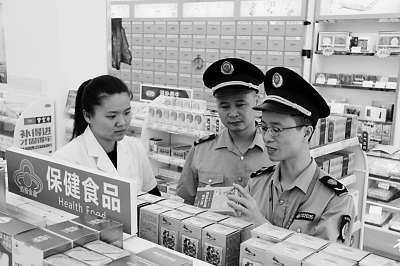
  The Market Supervision Bureau of Yushui District, Xinyu City, Jiangxi Province conducted targeted sampling inspection on health food varieties that were strongly reflected by the masses. Photo by Liao Haijin/Bright Picture

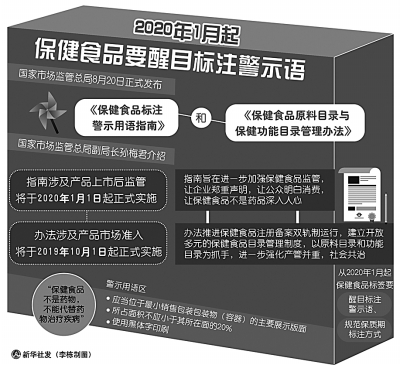
  Lowering blood pressure, lowering blood lipid and controlling diabetes are good for stomach, kidney and liver, and even cure all diseases … … False propaganda and fraud of health food are widespread, and consumers are unbearable. Are the various health care functions promoted by businesses true and effective, and how many scientific evidences are there? Many consumers will be skeptical or fall into a trap. A few days ago, the long-awaited "Management Measures for Raw Materials Catalogue and Health Function Catalogue of Health Foods" was released, which provided institutional guarantee for "managing, managing and optimizing" health foods, making health foods more scientific, effective, safe and healthy, and allowing consumers to better understand the efficacy of health foods.

  In recent years, China’s health food industry has developed rapidly with an output value exceeding 300 billion yuan. With the rapid development of the industry, the problems of health food fraud and false propaganda have gradually emerged. Since 2017, the State Council Food Safety Office has jointly carried out special rectification of food health food fraud and false propaganda, and investigated and dealt with nearly 60,000 illegal cases with a value of more than 3 billion yuan.

  In order to enhance the efficacy of products, some illegal enterprises illegally add drugs to harm consumers; Some merchants falsely publicize and exaggerate the efficacy, and even blow health food into a "magic medicine" to deceive consumers. At the same time, problems such as low quality of registration declaration and low-level duplication of products also bring difficulties to the review and approval work. "There is an urgent need to deepen reform and innovation, implement the strictest supervision and implement the main responsibility of enterprises." Sun Meijun, deputy director of the State Administration of Markets, said frankly.

  According to the Measures for the Administration of Raw Material Catalogue and Health Function Catalogue of Health Foods (hereinafter referred to as the Measures) recently formulated and issued by the General Administration of Market Supervision in conjunction with the National Health and Wellness Commission, China will take the raw material catalogue and function catalogue as the starting point to standardize the scientific evaluation of raw material safety and health function of health foods, and encourage research and development of health foods with more scientific and technological content and more reliable efficacy.

  1. The health care function of "unclear"

  In today’s endless health care fraud, we need to re-understand health food. According to the Interpretation of People’s Republic of China (PRC) Food Safety Law, health food refers to food that claims to have health care function or aims at supplementing vitamins, minerals and other nutrients. That is, it is suitable for specific people to eat, has the function of regulating the body, does not aim at treating diseases, and does not cause any acute, subacute or chronic harm to the human body.

  It can be seen that health food is a kind of special food between ordinary food and medicine. First of all, it is food. Secondly, it is different from ordinary food, and it has certain health care function (that is, function claim), which is the core attribute of this product. Finally, although it has health care function, it does not have the effect of treating diseases, and it is different from drugs.

  For health food, function claim is the key, but it is very easy to fall into the predicament of exaggeration and false propaganda, and even fraud, which leads to the "magic medicine" flying all over the sky. Some experts have said that the false propaganda of health food is not all "intentional", but "unclear" by themselves. Because they didn’t make clear the functional mechanism of health food through rigorous scientific research, and lacked sufficient scientific basis, they couldn’t tell consumers exactly how healthy these health foods are and how to play their roles.

  Are the various functions claimed by health food scientific and effective? This is the crux of the problem. It is understood that the establishment and positioning of functional claims of food and health food similar products in major countries and regions around the world mainly focus on improving health and reducing risk factors. Specifically, the classified management of health care functions generally includes three categories: nutritional component function claim, general function claim and disease risk reduction claim.

  Among them, the function claim of nutritional components refers to the physiological activity of nutrients in human growth, development and normal function. General function claim refers to the specific function of the product for the normal function or biological activity of the human body, contributing to human health, enhancing the body function, maintaining or improving the overall health state, etc. The claim of reducing disease risk refers to the health claim that a certain food ingredient or food (food supplement) can reduce the risk of a certain disease or reduce the degree of health problems, but it cannot be equated with the role of drugs and vaccines in preventing and blocking the occurrence of diseases. For the functional claims of health food, countries generally strictly supervise it, focusing on the correlation between raw materials (ingredients), dosage and functional claims and the adequacy of scientific basis.

  The "Measures" issued this time refer to the management of functional claims by international organizations and Europe and the United States, and make it clear that the health care function of health food in China should be aimed at supplementing dietary nutrients, maintaining and improving the health status of the body or reducing the risk factors of diseases, and also put forward the health care function guided by the traditional health care theory. "It has greatly expanded the scope of supplementing micronutrients and regulating specific body functions, and covered the health care needs of the broad masses more comprehensively." Li Keji, a professor at peking university health science center School of Public Health, said.

  2. Whether it is effective or not depends on science.

  To "clarify" the health care function, we must rely on scientific research. Evaluation of raw materials safety and health care function of health food and catalogue management are the important basis for the dual-track system of filing and registration and approval of health food in China. Whether it can pass the evaluation and be included in the catalogue depends on science.

  It is understood that the catalogue of health functions stipulates the range of health functions that health foods are allowed to claim (that is, health functions that have been systematically evaluated and verified and have clear evaluation methods and judgment standards), and the catalogue of raw materials stipulates substances that can be used in health foods after safety and functional evaluation. The "Measures" are based on raw materials and functions to ensure the safety and effectiveness of health food and improve product quality.

  In order to ensure the safety, effectiveness, true and reliable functions and stable quality standards of health food raw materials, the Measures strictly stipulate the conditions, procedures and management methods for the inclusion of the catalogue. Sun Meijun introduced that the inclusion of the raw material catalogue is based on the registration and approval of health food in China for more than 20 years and the relevant data of 16,000 registered products. It is necessary not only to review the safety, but also to clarify the dosage of raw materials and the corresponding efficacy, and focus on reviewing its scientific basis.

  More importantly, how to ensure the scientific health care function. The "Measures" stipulate that the health functions claimed by health foods should have clear health needs and can be correctly understood and recognized; Have sufficient scientific basis, as well as scientific evaluation methods and criteria; The health care function guided by the traditional health care theory conforms to the traditional Chinese medicine health care theory; There are clear suitable people and unsuitable people.

  Moreover, inclusion in the catalogue does not mean that it can be used all the time. "For the raw materials and health care functions included in the catalogue, a re-evaluation and exit mechanism has been set up. If the latest research finds risks and the scientific consensus changes, the catalogue adjustment procedure can be started in time." Sun Meijun said that according to the progress of relevant scientific research and the needs of food safety risk prevention and control, the catalogue of health food raw materials and the catalogue of health care functions should be dynamically managed and adjusted according to the results of re-evaluation.

  Liu Xuecong, Secretary-General of China Nutrition and Health Food Association, believes that according to scientific research and progress, it is an inherent requirement for the development of health food industry to dynamically adjust the health care functions that can be claimed, and at the same time, allow new health care functions to be admitted, which is also to meet the growing consumer demand of the masses.

  3. Open up innovative R&D paths

  It is worth noting that the "Measures" have changed the management mode claimed by functions, emphasized social co-governance and encouraged R&D and innovation. In the past, the evaluation and management of functional claims of health food in China were all arranged by the government. The Measures reformed this "nanny-style" management mode, opened up the innovative R&D path of health food, changed the formulation of health function and evaluation method from a single government-led to multi-subject participation, guided and standardized functional R&D and scientific evaluation, and implemented the main responsibilities of enterprises and R&D institutions.

  Specifically, the "Measures" open directory project formulated a model to encourage multi-market players to participate in the catalogue formulation and research and develop new health care functions. On the basis of scientific research and demonstration, any individual, enterprise, scientific research institution and social organization can put forward suggestions for inclusion in the catalogue of raw materials and functional claims of health food, and those that meet the requirements can be included in the catalogue after being reviewed and publicly demonstrated by the competent department according to the procedural requirements, so as to stimulate the enthusiasm, initiative and creativity of enterprises, scientific research institutions and social organizations in developing new materials and functions.

  "This can give full play to the scientific research advantages of social resources, improve the scientific evaluation methods of raw materials and functions, solve the problem that the current single government is dominant and the scientific and technological strength is insufficient, improve the quality of filing products and registration applications, and improve the efficiency of evaluation and approval." Sun Meijun said.

  In addition, the Measures also encourage enterprises to not only inherit the traditional Chinese medicine health preserving theory, but also make full use of modern biomedical technology, research and develop new products with new functions, change the current situation of low-level duplication of products, and promote the high-quality development of health food industry.

  These measures are greatly welcomed by people in the industry. Liu Xuecong told reporters that changing the situation dominated by the government in the past and letting industry enterprises stand at the center of the stage of catalogue and function research will greatly encourage and promote the R&D and innovation of China’s health food industry.

  The General Administration of Market Supervision said that it will stick to the safety bottom line, strengthen scientific supervision, fully consider the efficacy orientation of health food, carry out classified management according to traditional consumption history, scientific basis and risk level, strictly supervise new raw materials and new functions, and gradually expand the catalogue of raw materials and functional claims of health food.

  4. Comprehensively clean up and adjust health care functions.

  The frequent false propaganda and fraud of health food reflects the imperfection of current health function management. The reporter learned that the General Administration of Market Supervision has begun to comprehensively clean up and adjust the health care functions approved in different historical periods in the past, to avoid confusion with the preventive and therapeutic functions of drugs and diseases, to get to the root of the problem, and to plug the loopholes in the claim that the health care functions of health food have been falsely publicized.

  "The 27 functions of the current health food have been used for nearly 20 years. With the progress of public cognition and science and technology, its name and label content have not been recognized by the society to a certain extent, and there are also many backwardness and deficiencies in science." Li Keji pointed out.

  In March 2019, the General Administration of Market Supervision issued the Announcement on Soliciting Opinions on Adjusting the Health Function of Health Food, which pointed out that after organizing many demonstrations by experts in the fields of medicine, pharmacy, food and nutrition, it is planned to adjust the health function, mainly including: First, canceling the past approvals such as "tumor suppression" and "anti-mutation", which are inconsistent with the existing regulatory positioning of health food, and the products are actually easy to exaggerate and mislead, and are not in line with health needs. The second is to further study and demonstrate the health care functions such as "auxiliary blood lipid lowering" and "auxiliary protection function for radiation hazards"; The third is to adjust 18 kinds of health function claims to improve consumers’ scientific cognition and accurate judgment of health food function claims, such as adjusting "immune regulation/immunity enhancement" to "help to enhance immunity".

  The industry believes that adjusting the claim of health care function, further defining and standardizing the source of health care function, and effectively distinguishing health food from medicine can greatly reduce the misjudgment of consumption. The reporter learned that this adjustment proposal is currently soliciting opinions from the whole society, and the General Administration of Market Supervision will also organize experts in the fields of medicine, pharmacy, food and nutrition to carefully analyze and study the collected opinions one by one.

  Sun Meijun revealed that in the next step, the market supervision department will have a series of regulatory measures to be introduced one after another. For example, formulate advertising review management measures and strictly review health food advertisements; Orderly carry out the clean-up work of replacement; Strengthen production license review, daily supervision, supervision and sampling inspection, and system inspection; We will carry out multi-sectoral joint law enforcement, severely investigate and deal with all kinds of illegal acts, and crack down on black dens illegally added, illegally sold, and made and sold fakes, and we will never be soft.

  However, Sun Meijun reminded: "Health food is not a necessity, and not everyone needs it. On the health food label, there are labels for suitable people and unsuitable people. Consumers should carefully choose according to their physical needs when purchasing. "(Reporter Chen Haibo)

Guangzhou: the ambition of opening the window of trade

  foreword

  In 1957, the Canton Fair entered the historical stage, and it was a blockbuster at the beginning of its birth — — The turnover of the Canton Fair in the first year accounted for one-fifth of the total foreign exchange earned in that year, and it was a veritable window of national trade. In the more than 60 years since that year, the venue of the Canton Fair has been moved several times, and the exhibition area has increased dozens of times. It is the long-standing strength of Guangzhou’s urban development and China’s ambition to open its doors wider and wider that has promoted the expansion of venues.

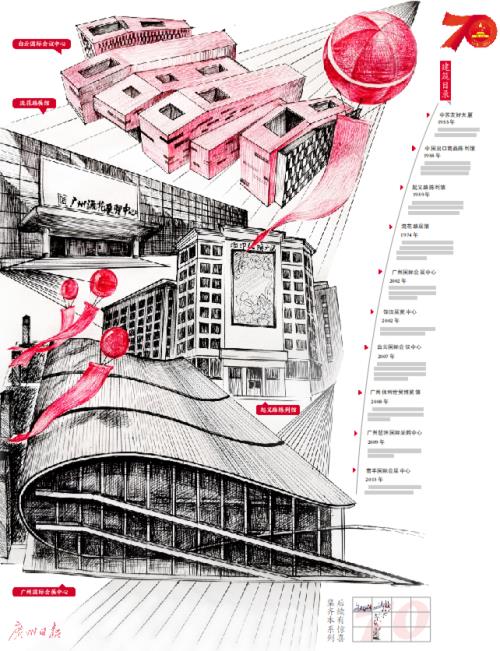
  The newspaper’s large-scale series report "70 years and 70 years of Guangzhou landmarks" entered the fourth series of exhibition halls today. We selected four important exhibition buildings that accompanied Guangzhou’s growth and still presented them by hand drawing.

  There are 12 issues in the series "Guangzhou Landmarks in 70 Years and 70 Years". Collect all the pages of this series and complete the puzzle in the shape of "70", and you will have the opportunity to participate in the follow-up activities.

  The history of exhibition buildings in Guangzhou is also a history of urban construction in Guangzhou and the opening of China. From Haizhu Square, Liuhua to Pazhou, the rise of landmarks witnessed the outward expansion of Guangzhou’s urban skeleton and the eastward movement of CBD, and recorded the greater and more stable pace of China’s opening up.

  Canton Fair, a fast-growing newborn.

  At the beginning of the founding of People’s Republic of China (PRC), some western countries imposed "economic blockade" and "goods embargo" on China economically. Guangzhou, which is adjacent to Hong Kong and Macao, held three exhibitions and exchanges of export materials from 1955 to 1956, with remarkable results. At that time, the Commissioner of the Ministry of Foreign Trade in Guangzhou was keenly aware that the national export commodities exhibition and exchange meeting should be held here, and the request was finally approved by the central government. In November, 1956, the China Export Commodities Exhibition was held in the former Sino-Soviet Friendship Building in Guangzhou. The participating merchants came from 37 countries and regions, and the export turnover was US$ 53.8 million.

  This exhibition is the predecessor of the Canton Fair. In 1957, the former Ministry of Foreign Trade issued a document agreeing to hold an export commodities fair in Guangzhou in April. The first Canton Fair was still held in the Sino-Soviet Friendship Building, with an exhibition area of 9,600 square meters. This Soviet-style building was completed in July 1955, and it was particularly magnificent in Guangzhou, which was in full swing at that time. The Canton Fair was held in spring and autumn, and in the first year, the turnover was 86.86 million US dollars, accounting for 20% of the total foreign exchange generated in that year. The Canton Fair held in Guangzhou has opened up a channel for new China to trade with Southeast Asia and even other countries and regions in the world.

  As the window of new China’s opening to the outside world, the Canton Fair entered a period of rapid growth as soon as it was born, and the venue expanded again and again. Since 1958, the Canton Fair has been moved to the China Export Commodities Exhibition Hall on Qiaoguang Road in the west of Haizhu Square, with an area of 13,000 square meters, which has increased by nearly 50%, but it still seems to be somewhat stretched. Therefore, in 1959, it took only nine months to build the exhibition hall of Uprising Road (now Binbin Square) with an area of 34,500 square meters, as a "birthday gift" for the 10th anniversary of the founding of New China. In November of that year, the opening of the 6th Canton Fair was ushered in here. Only four years later, the supply of booths became tight again. In 1963 and 1968, the venues around Haizhu Square were allocated to the Canton Fair, and the exhibition area increased to nearly 50,000 square meters.

  As one of the most important exhibitions in China at that time, the significance of Canton Fair to Guangzhou has already exceeded the scope of ordinary exhibitions, which directly promoted the development of all walks of life in Guangzhou. In the early days of the Canton Fair, the reception services for the opening and closing receptions were exclusively undertaken by Aiqun Hotel. However, with the expansion of the Canton Fair, the demand for one hotel was obviously in short supply. This directly gave birth to the famous "27 layers" — — Guangzhou Hotel, the tallest building after the founding of New China.

  Exhibition breeds Guangzhou foreign trade buildings

  After more than 60 years of hard work, the uninterrupted Canton Fair has demonstrated China’s firm determination to open to the outside world. In the past 60 years, Guangzhou, as the venue of the Canton Fair, has received strong support from the state.

  In the 1970s, the problem of insufficient venue for the Canton Fair became more and more prominent, and the whole urban construction in China basically stopped. With Premier Zhou Enlai’s concern and inquiry, the "Guangzhou Foreign Trade Project" was approved, and the state allocated 60 million yuan to build Liuhua Road Exhibition Hall, Oriental Hotel New Building, Liuhua Hotel and baiyun hotel in the Canton Fair, and a towering foreign trade complex rose.

  In 1974, Liuhua Road Exhibition Hall was put into use, with a building area of 110,500 square meters and a central air conditioning system. Here, the Canton Fair welcomed the then US Vice President George Bush, the Federal Republic of Germany President karl carstens and other international dignitaries, and more and more countries began to understand China.

  From Haizhu Square to Liuhua Road, the Canton Fair has been held at two important nodes of Guangzhou’s traditional central axis for more than ten years, which is both a witness and a promoter of Guangzhou’s development. In 1974, Guangzhou Railway Station was completed almost at the same time as Liuhua Exhibition Hall. Together with the old Baiyun Airport, which is five or six kilometers away by car, and convenient transportation, Liuhua area has become Guangzhou’s foreign transportation hub and foreign trade center. In 1976, baiyun hotel, with a height of 114 meters, officially opened, setting a new record for the tallest building in China, just like her "brother" — — Guangzhou hotel built by the spring breeze of Canton Fair.

  The relocation of Canton Fair gave birth to the "Golden Triangle"

  Although the name of Canton Fair has been "Guang" for a long time, there was a voice from outside to "study the relocation". With its strength and speed, Guangzhou has proved that this city is the best choice for the Canton Fair.

  In the 1990s, many enterprises could not enter the Canton Fair because of insufficient booths. In 1993, the Ministry of Foreign Trade and Economic Cooperation proposed to rebuild the Canton Fair exhibition hall and make it a world-class exposition. For a time, domestic star cities competed with each other and offered favorable conditions to "attract". Guangzhou, on the other hand, decided to locate Pazhou, and made it clear that the subway leading to the Canton Fair would be built in advance.

  In 1999, Guangzhou, which finally got the reply from the national ministries and commissions, launched the international invitational competition of architectural design scheme that year. In April 2001, Guangzhou International Convention and Exhibition Center started construction, with a total construction area of over 1.1 million square meters. On December 28th, 2002, the first phase of the project was completed. This speed is unique, and the person in charge of the project is on the construction site on the third day of the year. Because the construction period is short, the consumption of building materials is large, and what kind of materials are needed for construction, there is a shortage of such building materials in the Pearl River Delta.

  In October 2003, the Canton Fair set up a branch venue in Pazhou for the first time, and all of them moved to Guangzhou International Convention and Exhibition Center five years later. Here, the Canton Fair set a record of $74.76 billion a year and 416,000 buyers a year. Since 2007, the Canton Fair has increased its import exhibition area and renamed it China Import and Export Fair, further opening up to the world. Today, Pazhou has become an exhibition center in Guangzhou and even in South China, making it a "golden triangle" of Guangzhou together with Pearl River New Town and Financial City.

  Looking back on the past and looking back on the history of Guangzhou’s exhibition, the exhibition area of the venue ranges from the traditional central axis to Pazhou, from 9,600 square meters to nearly 400,000 square meters, and the annual turnover ranges from 86.86 million US dollars to 74.76 billion US dollars. The Canton Fair and Guangzhou have grown together, leaving one milestone after another on the map of urban development and making irreplaceable contributions to China’s opening-up process.

  Uprising Road Exhibition Hall (now Binbin Square, Haiyin): The piling of the Uprising Road Exhibition Hall (now Binbin Square, Haizhu Square) began in November 1958 and was completed at the end of August the following year; It took only nine months for the project, which was a gift for the 10th anniversary of the founding of New China, to welcome the opening of the 6th China Export Commodities Fair on November 1st, 1959. From 1959 to 1974, this exhibition hall held 29 sessions of Canton Fair.

  The exhibition hall of Qiyi Road covers an area of 10,900 square meters, with a total construction area of 40,200 square meters (including ancillary buildings) and a usable area of 34,500 square meters. The middle building is 10 stories high and the west and north wings are 8 stories each. In addition to displaying the main export commodities, there are more than 70 transaction negotiation rooms on the first to sixth floors of the museum. During the opening period, there are also service desks for banks, posts and telecommunications, insurance and shipping, sample retail offices and bars on the seventh floor. The pavilion was also an integral part of Zhuhai Danxin, one of the eight scenic spots in Yangcheng at that time.

  Liuhua Road Exhibition Hall: Liuhua Road Exhibition Hall started in October 1972 and was completed in April 1974. The nine characters of "China Export Commodities Fair" hanging on the front of the main building are handwritten by Guo Moruo. From 1974 to 2008, the pavilion and the Canton Fair spent 34 years together.

  The exhibition hall covers an area of 98,000 square meters with a total construction area of 110,500 square meters. It is interconnected with many surrounding commercial buildings, five-star hotels and clothing commercial markets, and is adjacent to Guangzhou Railway Station, Yuexiu Park subway station and urban traffic trunk roads. It is an important distribution center for business exchanges. Since 1975, the exhibition hall has been added, expanded, renovated and decorated many times, with a total construction area of 170,000 square meters. In 1980s, the exhibition hall and the adjacent buildings such as Oriental Hotel, Liuhua Hotel and Friendship Theatre were selected as one of the eight scenic spots in Yangcheng, enjoying the reputation of "Liuhua Yuyu".

  Guangzhou International Convention and Exhibition Center: Guangzhou International Convention and Exhibition Center is located in Pazhou Island. Construction started in April 2001 and was completed and put into use in December 2002, which lasted for 20 months. In October 2003, the 94th Canton Fair tried out some exhibition halls of Pazhou Pavilion for the first time. In April 2004, the first phase of Pazhou Pavilion of the 95th Canton Fair was put into full use. In September 2008, the 104th Canton Fair was moved to Pazhou Exhibition Hall as a whole.

  The exhibition center covers an area of over 800,000 square meters, with a total construction area of over 1.1 million square meters, a total indoor exhibition area of 340,000 square meters and an outdoor exhibition area of 43,600 square meters. It was a modern exhibition hall with the most advanced facilities and complete functions in Asia at that time. Looking down from a height, it is like a white cloud fluttering on the river. The design concept of the convention and exhibition center comes from the "floating" of the Pearl River, and the undulating roof makes it seem to fly from the Pearl River.

  Baiyun International Conference Center: Guangzhou Baiyun International Conference Center started construction in October 2005 and was completed in March 2007. It is located in the middle of Baiyun District, east of Baiyun Avenue, facing Baiyun Mountain National Scenic Area, west of Airport East Road, the former site of Baiyun Airport, and south of Guangzhou Gymnasium.

  Baiyun International Conference Center covers an area of about 250,000 square meters. The main building includes three conference and exhibition centers and two supporting hotels, including more than 100,000 square meters of conference venues and nearly 20,000 square meters of exhibition venues. The conference hall, supporting facilities and hotels stand in parallel in the north and south, forming a unique "visual corridor" while effectively reducing the impact of direct sunlight on the room.

  Expert perspective Guangzhou International Convention and Exhibition Center is so "floating"  

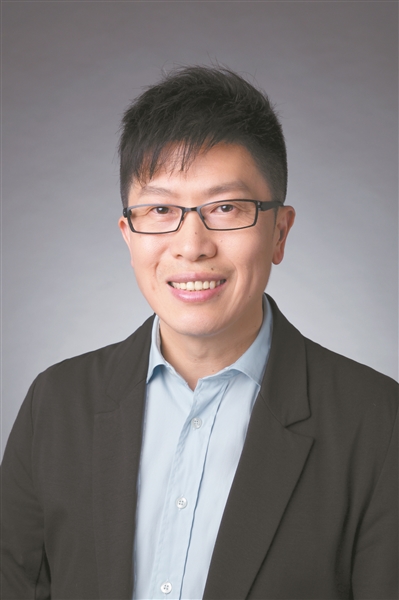
  Ni Yang: Dean of Architectural Design and Research Institute of South China University of Technology

  Guangzhou International Convention and Exhibition Center, floating on Pazhou Island, is like a warm wind blowing to the south bank of the Pearl River. In 1999, the international bidding for architectural scheme design was launched, and the scheme from Japan "floated" to the Pearl River. From the initial "sticking to the ground" design to the light "floating" now, it is behind the repeated optimization and polishing by the Chinese and Japanese designers. Construction started in 2001, and the first phase was delivered in 2002. Up to now, after 17 spring and autumn periods, this building at the turn of the century is still a landmark of exhibitions in Guangzhou and even South China.

  In 1999, Guangzhou International Convention and Exhibition Center publicly solicited architectural design schemes for the whole world. The competition lasted for three months, and then after 40 days of optimization design, all parties concerned finally chose the scheme of Sato Comprehensive Plan in Japan. The Tokyo BIG SIGHT, which was completed in November 1995, was created by this company and is still the largest exhibition venue in Japan.

  The concept of the scheme proposed by Sato of Japan for Guangzhou International Convention and Exhibition Center is "gone with the wind", which is like a warm river wind blowing to Pazhou Island, and the design is light and elegant. The streamlined exhibition hall is high in the south and low in the north, and there is one less exhibition hall facing the north side of the Pearl River. The wavy roof is naturally connected with the green land. At the beginning, an open hydrophilic park was arranged along the Pearl River on the north side of the land, which introduced the river water to form fountains and waterfalls, forming a landscape of "canals" and "bridges".

  As a cooperative designer in China, the Architectural Design and Research Institute of South China University of Technology is responsible for the construction drawing design, which is equivalent to putting a romantic design plan on the ground and meets the economic and practical needs. Dean Ni Yang said: "We made the most important optimization, that is, we lifted the building, and the original exhibition hall ‘ Post ’ On the ground, the underground space is only 2.2 meters, and only some pipeline equipment can be put. We decided to increase the bottom plate and raise the pillars in the basement to 4.8 meters, which suddenly increased the underground space by 130,000 square meters. "

  From the functional point of view, more than 4,000 indoor parking spaces have been added to the 130,000 square meters, which not only transferred the original outdoor parking spaces to the underground, but also released the external green space, and provided the center with a dining area of tens of thousands of square meters. After the underground space is heightened, the equipment center originally located 300 meters outside the exhibition hall can be moved into the building, which greatly shortens the length of water, electricity and other pipelines, reduces the energy loss, and is also convenient for pipeline maintenance.

  "From an economic point of view, the cost of raising the building is not high. When the total cost is only slightly increased, the usable area is greatly increased, and the average cost is significantly reduced, which plays a very positive role in the overall balance of payments." This is a very high cost-effective adjustment. "From the aesthetic point of view, after the elevation, the building is more ‘ Gone with the wind ’ The beauty. " Ni Yang said.

  People’s feelings, high-end exhibition venues are integrated into citizens’ daily lives.

  Huang Yimin

  Former photojournalist

  Huang Yimin is an "old Guangzhou" who has lived and worked in Guangzhou for decades. He recalled that the first time he saw the Canton Fair was the old China Export Commodities Fair in Haizhu Square. "At that time, I saw the appearance of this building, which was eight stories high and very large. However, during the fair, ordinary people will not be allowed to visit. "

  Later, the Canton Fair Pavilion was moved to Liuhua Exhibition Center, "‘ China Export Commodities Fair ’ The golden characters embedded in the long rows of glass curtain walls are very imposing, and a Soviet building in the 1950 s is still wrapped inside. When entering the hall, you can see the huge Soviet-style arched exhibition hall on the front. " He recalled.

  With the continuous expansion of trade scale, the Canton Fair has been moved to Pazhou Convention and Exhibition Center in 2008, and Liuhua Exhibition Center has also been given a new mission — — Create "Old Guangjiao IP Silicon Valley". According to Huang Yimin, who has recorded Guangzhou for decades with a camera, it is an inevitable trend for Guangzhou’s convention and exhibition economy to settle in Pazhou, which shows that the economic strength of Guangzhou and even China is constantly increasing. "Exported goods go abroad and are increasingly welcomed by foreign countries. The Liuhua Road Canton Fair has condensed a precious historical memory. "

  Ouyang Xiao

  Neighborhood near Guangzhou New Gymnasium

  "When Baiyun International Conference Center first opened, this area was quite desolate." Ouyang Xiao, an old neighborhood who has lived nearby for nearly 15 years, recalled that when he first moved here, there were not many people nearby. After Baiyun Airport moved away, there were still people growing vegetables in the open space left behind. "Looking around, the most conspicuous building is the Ferris wheel of Oriental Paradise."

  In 2004, the Oriental Paradise was closed for demolition. "After the Ferris wheel disappeared, a conference center was built in this area in a few years." At that time, seeing the Baiyun Conference Center with five main buildings arranged in the north and south, Ouyang Xiao said, "I feel that this magnificent conference center is very high-end, and its main color is crimson, which looks solemn."

  Slowly, Ouyang Xiao found in his life that the conference center is not only a high-end venue for holding exhibitions and conferences, but also has been integrated into the daily life of residents. She said that the conference center is adjacent to Baiyun Mountain, and the air is also very good. "After the vehicles coming to the conference in the evening leave, we will come here for a leisurely walk after dinner, and walk around for almost half an hour, which is very comfortable." Ouyang Xiao told reporters that by the end of the week, there were still many children flying kites here in the West Square, and many tourists coming down from Baiyun Mountain went straight to the restaurant in the conference center to have a meal and rest. "It carries many functions of leisure and entertainment for nearby residents, and it is very kind to look at it."

  Wu Yan

  Representatives of exhibitors from Guangzhou Hutou Battery Group

  Since graduating from university in 2001, Wu Yan has participated in the Canton Fair for 18 consecutive years. Witnessed the historic moment when the Canton Fair moved from Liuhua Exhibition Center to Pazhou Convention and Exhibition Center as a whole. She believed that the biggest change before and after was that the professionalism of the exhibition was greatly improved: "The participating enterprises were carefully divided according to the industry to which the specific products belonged, and they all belonged to a unified area."

  Compared with Liuhua Exhibition Center before the relocation, Wu Yan said that Pazhou Exhibition Center has a more modern architectural style, a larger exhibition hall and more brand booths: "Before attending the Canton Fair, our company shared a booth with another enterprise of the Light Industry Group, and now our company rented eight booths separately."

  Wu Yan said that transportation also reflected the improvement of the professionalism of the Canton Fair after moving to Pazhou Convention and Exhibition Center. "Compared with the Liuhua period, the subway here is more developed, and the vehicles for the exhibition are directly driven to the exhibition hall, which is much more convenient."

  Architectural catalogue

  Sino-Soviet Friendship Building

  1955

  The first Canton Fair was held here, with an exhibition hall area of 9,600 square meters.

  China export commodities exhibition hall

  1958

  From the 3rd session, the Canton Fair was moved to the exhibition hall on Qiaoguang Road in the west of Haizhu Square, and the exhibition hall area was expanded to 13,000 square meters.

  Qiyi road exhibition hall

  1959

  As a gift project for the 10th anniversary of the founding of New China, it welcomed the opening of the 6th Canton Fair in 1959. This exhibition hall has held 29 sessions of Canton Fair.

  Liuhualu exhibition hall

  1974

  The "China Export Commodities Fair" hanging on the front of the main building is handwritten by Guo Moruo. From 1974 to 2008, the pavilion and the Canton Fair spent 34 years together.

  Guangzhou International Convention and Exhibition Center

  In 2002

  Covering an area of over 800,000 square meters, it was the most advanced and fully functional modern exhibition hall in Asia at that time.

  Jinhan exhibition center

  In 2002

  Adjacent to the former site of the Canton Fair on Liuhua Road, it has been demolished and the Yuexiu Exhibition Center has been rebuilt in situ.

  Baiyun International Conference Center

  In 2007

  Baiyun International Conference Center covers an area of about 250,000 square meters and receives an average of more than 3,000 meetings, exhibitions, performances and banquets at home and abroad every year.

  Guangzhou Poly World Trade Expo Hall

  the year of 2008

  Covering an area of 28,770 square meters, adjacent to Guangzhou International Convention and Exhibition Center, it is one of the emerging exhibition buildings in Pazhou.

  Guangzhou Pazhou International Procurement Center

  In 2009

  It is also located in Pazhou, covering a total area of about 110,000 square meters.

  nan fung international conference and exhibition center

  In 2013

  Covers an area of 32,836 square meters. It is another modern professional exhibition hall in Pazhou.

  Thematic Coordination: Guangzhou Daily All Media Reporter Wang Xiaoyun Hand-painted: Guangzhou Daily All Media Reporter Yang Xiaoming

  Author of this edition: Guangzhou Daily, all-media reporter Li Tianyan and Wu Yangyu.
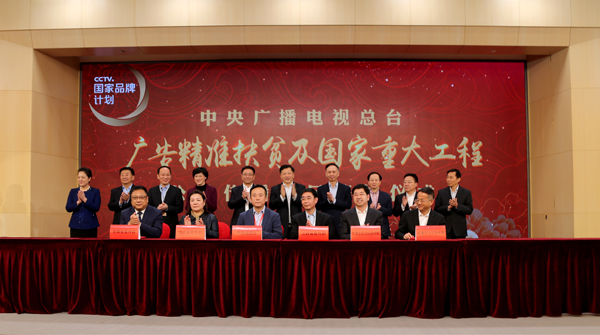
From the heat of the property market, China’s vigorous economic policy "combination boxing" boosts the recovery of the real estate market

CCTV News:The reporter learned from the national video conference on the promotion of housing and urban-rural development and the General Administration of Financial Supervision that the two departments require all localities to solidly promote the work of housing and housing, and take effective measures to promote the real estate market to stop falling and stabilize as soon as possible.

The two departments pointed out that it is an important opportunity period to do a good job in all aspects of real estate. Province — City "three special classes to linkage to promote the work, and strive to solve the main problems in the tough battle to ensure the delivery of housing, expand the effectiveness of urban real estate financing coordination, accelerate the judicial disposal of insolvent projects, anchor the target to go all out to complete the annual delivery task, and make overall plans to digest the stock of commercial housing and dispose of idle stock of land.

At the same time, all localities should increase the efforts of "white list" projects, such as checking, pushing, repairing problem projects and lending, so as to effectively meet the reasonable financing needs of real estate projects. Specialized classes and financial institutions at all levels should enhance their sense of responsibility and urgency, further promote the coordination mechanism to "expand the scope and increase efficiency", expand the coverage of the "white list", and ensure that compliant real estate projects "should make every effort". It is necessary to establish and improve the working mechanism, improve the full-caliber monitoring system, and timely incorporate the approved "white list" projects into the ledger and system management. Financial institutions should establish and improve the green channel, and timely issue loans according to the project schedule to meet the reasonable financing needs of the project.

Hangzhou, Zhejiang: The minimum down payment ratio of commercial personal mortgage is 15%.

On October 9, Hangzhou, Zhejiang Province issued a notice that for households who purchase houses by loans, commercial personal housing loans no longer distinguish between the first and second houses, and the minimum down payment ratio is unified at 15%. Workers’ families apply for housing provident fund loans when buying houses, and the maximum amount is raised to 1.3 million yuan, and the minimum amount is raised to 200,000 yuan.

A number of new policies on the property market have been launched simultaneously in many places.

Just past the National Day holiday, "exhibitions" and "exhibitions" appeared intensively in many cities. While holding various promotional activities in various places, the reporter noted that many cities have simultaneously introduced further real estate support policies to better meet the rigid and diversified housing needs of residents.

During the National Day, Wuhan launched ten real estate policies and measures at the same time as the Golden Autumn House Purchase Festival opened. Among them, it is clear that during the period from October 1 to December 30, if a new set of commercial housing is purchased in Wuhan, when applying for a commercial personal housing loan, it will be recognized as the first home of the family, and the deed tax for the first home of the transaction customer will be free, and the second home will be reduced by 50%. Such policy measures are very interesting.

Driven by favorable policies, on October 1st, the volume of new houses in Wuhan reached 453 sets. At the same time, the buildings in Wuhan during the National Day are more lively than before.

In Henan, on the eve of the local National Day, 20 measures were introduced in six aspects, announcing the total cancellation of the purchase restriction. Subsequently, Zhengzhou further clarified that it would carry out the "old-for-new" activities of home improvement renovation in the form of subsidies, and vigorously promote the "old-for-new" of real estate and the group purchase of commercial housing. After the release of the policy, Zhengzhou property market began to show positive changes during the National Day, and the number of consulting visits and transaction volume of several projects increased.

In Xining, the local government also chose to hold the Golden Autumn Housing Expo, and introduced 16 measures, including reducing the interest rate of existing mortgage loans.

In Xiamen, the local government issued a new policy before the holiday, completely canceled the housing purchase restriction, optimized the loan policy, lowered the down payment ratio to 15%, and adjusted the identification of housing units. After the announcement of the policy, the number of guests who come to the sales office or call for advice has increased a lot.

National Day holiday housing enterprises get together for promotion.

After visiting many property markets, the reporter also found that real estate enterprises have actively launched various promotional activities in combination with favorable policies to boost market popularity.

During the National Day, in addition to accurately supporting new citizens, young people, industrial workers and other specific groups to buy houses, some real estate enterprises also launched 5%— 10% discount and preferential activities such as parking spaces, home appliances and decoration packages.

In Xining, according to the local conditions, real estate enterprises specially launched "trade-in" housing, low-priced commercial housing and improved housing during the National Day, providing buyers with rich choices in all directions.

In Ganzhou, Jiangxi Province, 18 housing enterprises and 28 high-quality real estate projects were organized to hold the Golden Autumn Consumption Season. At the event site, some properties combined with a series of favorable policies provided by the government introduced a variety of preferential measures, which attracted many property buyers to consult.

Affected by the New Deal, in Chongqing, many local real estate sales offices, people came to see the house during the National Day.

According to the statistics of the Ministry of Housing and Urban-Rural Development, during the National Day, sales offices in many places across the country do not have holidays or close, and carry out various marketing activities such as discounts and coupons. Housing enterprises in some third-and fourth-tier cities, such as Shangrao, Ji ‘an, and Hengyang, Hunan, have also launched home purchase promotion activities to provide transportation subsidies and home purchase concessions for buyers.

Experts say that China’s foreign trade will continue to develop steadily and rapidly in the second half of the year.

"Since the beginning of this year, China’s foreign trade import and export has achieved rapid growth, quality and efficiency have been further improved, foreign trade development has maintained a steady and positive trend, and accelerated from ‘ Big entry and big exit ’ Towards ‘ Excellent entry and excellent exit ’ 。” Liang Ming, director of the Institute of Foreign Trade of the Ministry of Commerce, said that the 123rd Canton Fair, for example, attracted more than 200,000 merchants, up 5.3% year-on-year, the highest level in five years. The cumulative export turnover was 189.197 billion yuan, up 3.1% year-on-year, the highest level in the Spring Fair in four years. This also means that since the 119th session, the buyers and export turnover of Canton Fair ushered in the fifth "double growth", which once again sent a positive signal.

Liang Ming believes that at present, China’s foreign trade presents four distinct characteristics:

First, the growth rate is relatively fast. From January to May this year, the total import and export volume of China’s goods trade reached US$ 1,814.45 billion, up 16.8% year-on-year. Among them, the export value was US$ 957.06 billion, up 13.3% year-on-year; Imports amounted to US$ 857.39 billion, a year-on-year increase of 21%. Judging from the growth rate of foreign trade in the first five months of the calendar year, the growth rate of China’s foreign trade this year is the highest in seven years.

The second is structural optimization. In terms of trade patterns, in the first five months, China’s general trade exports amounted to US$ 542.43 billion, accounting for 56.7% of China’s total exports in the same period, an increase of 2.7 percentage points over the same period last year; General trade imports amounted to $534.95 billion, accounting for 61.2% of China’s total imports in the same period, an increase of 1.1 percentage points over the same period last year. In terms of trade goods, in the first five months, China’s exports of mechanical and electrical products were US$ 563.27 billion, accounting for 58.9% of China’s total exports in the same period, an increase of 1.6 percentage points over the same period last year; The export volume of labor-intensive products was US$ 176.19 billion, accounting for 18.4% of China’s total exports in the same period, which was 1.9 percentage points lower than that in the same period last year.

The third is to improve efficiency. In the first five months, the import of some important equipment, key parts and high-quality consumer goods increased rapidly, among which the import of integrated circuits, electromechanical products and high-tech products increased by 35.8%, 23.3% and 25% respectively; The import of energy resources products increased rapidly, which ensured the domestic market demand and eased the resource constraints faced by economic development. The import volume of crude oil, iron ore, refined oil, copper and other bulk commodities maintained rapid growth, with growth rates of 8%, 0.7%, 12.4% and 16.7% respectively.

The fourth is to be more balanced. In the first five months, the growth rate of China’s imports was generally faster than that of its exports, and the trade surplus of goods was US$ 102.81 billion, down by 29.1% compared with the same period of last year. China’s market was further opened to the world.

"The rapid growth of China’s import and export is the result of many factors." Liang Ming believes that at present, the world economy is recovering moderately and the growth rate of international trade is obvious. The development trend of China’s economy, which is progressing steadily and improving steadily, has been continuously consolidated, which has driven the sustained and rapid growth of imports, and the relevant foreign trade support policies have gradually exerted their efforts to achieve results. From the market perspective, the "Belt and Road Initiative" has been steadily promoted, and the development of emerging markets has given strength, and the ability of enterprises to bravely enter the international market has also been continuously enhanced.

"In the second half of the year, foreign trade will continue its steady and rapid development momentum. It is expected that the quality, structure and efficiency of China’s foreign trade will be further improved this year. " Liang Ming said that China’s foreign trade is stable and supportive, and it faces new development opportunities. According to the latest report of Global Trade Data and Outlook released by the World Trade Organization, the growth forecast of global trade volume in 2018 will be greatly raised from the previous 3.2% to 4.4%, which is significantly higher than the average annual growth rate of 3% after the international financial crisis.

Liang Ming believes that it is necessary to continue to promote the liberalization and facilitation of trade and investment, maintain the multilateral trading system, and intensify efforts to cultivate new trade formats and modes. While stabilizing exports, we will actively expand imports, make full preparations for the first China International Import Expo, increase the import of products with distinctive advantages where people’s needs are concentrated, and promote the balanced development of foreign trade import and export. I believe that the openness of China’s foreign trade field will continue to increase in the future, and the prospect of coordinated and sustainable development of trade can be expected.